
As we transition further into the 2020s, the concept of a “clean home” is evolving from manual labor to automated intelligence. The integration of the Internet of Things (IoT) and advanced sensor technology is allowing us to monitor our domestic biomes in real-time. We are moving toward a “proactive” home environment that can detect and neutralize pathogens before they ever reach a human host.
Embracing the future of home hygiene means leveraging these technological advancements to reduce “human error” in our cleaning routines. Here are ten high-quality pillars for integrating smart technology into your home’s infection control strategy.
1. Smart Air Quality Monitoring and Automated Filtration
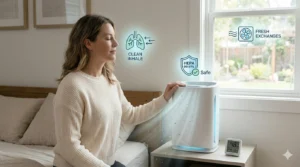
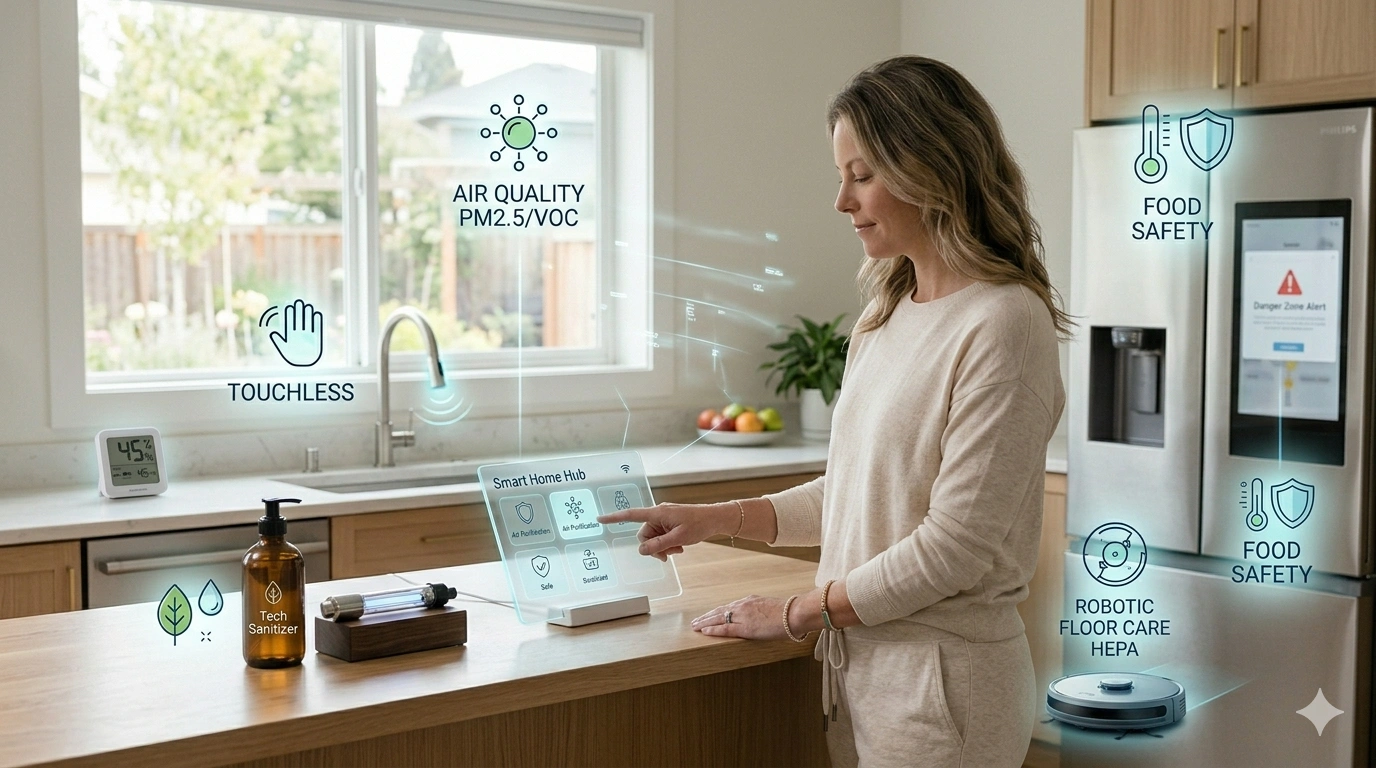
The days of guessing if your air is clean are over. Modern air quality monitors can detect $PM_{2.5}$, VOCs, and CO2 levels with clinical precision.
- The Integration: Link your air quality monitor to your smart home hub. When the monitor detects a spike in particulate matter (perhaps from cooking or high pollen counts), it can automatically trigger your HEPA purifiers to switch to “Boost” mode.
- Proactive Response: This ensures that the air is scrubbed immediately, preventing the accumulation of airborne irritants that can weaken your respiratory defenses.
2. UV-C Light Sanitization for Electronics
Our most frequently touched items—phones, tablets, and smartwatches—are often the most difficult to clean with liquid disinfectants without risking damage.
- The Tech: Use dedicated UV-C sanitizing chambers. UV-C light at the 254nm wavelength is germicidal, meaning it effectively deactivates the DNA and RNA of viruses and bacteria.
- The Routine: Set a “charging station” that doubles as a sanitizer. Placing your devices in a UV-C box for five minutes every evening ensures your “digital appendages” are biologically safe for the next day.
3. Touchless Fixtures and Infrared Technology
Handwashing is only effective if you don’t immediately re-contaminate your hands by touching a dirty faucet handle.
- The Upgrade: Install motion-activated faucets and soap dispensers in bathrooms and kitchens.
- The Impact: By removing the “touch point,” you break the chain of infection. Infrared sensors ensure that water only flows when hands are present, which also supports water conservation—a key component of sustainable hygiene.
4. Robotic Floor Care with HEPA Integration
Traditional vacuuming often kicks up more dust than it collects, redistributing allergens into the air.
- The Future: High-end robot vacuums now feature sealed HEPA filtration and “mopping” functions that use ultrasonic vibration to scrub floors.
- Scheduled Maintenance: Set your robot to run while the house is empty. This allows any disturbed dust to settle and be filtered by the air purifiers before you return, maintaining a low “particulate load” in the home.
5. Smart Refrigerator Management and Food Safety
Foodborne illness often stems from forgotten leftovers or improper storage temperatures.
- The Tech: Smart refrigerators now feature internal cameras and temperature sensors that can alert your phone if the internal environment enters the “Danger Zone.”
- Inventory Tracking: Use “Best Before” tracking apps integrated into the fridge to ensure that older food is consumed or discarded before it becomes a microbial risk.
6. Dishwashers with Certified Sanitize Cycles
Not all dishwashers are created equal. To truly kill pathogens like E. coli or Norovirus, you need specific thermal parameters.
- The Standard: Look for machines with an NSF/ANSI 184 certification. These units are guaranteed to reach a final rinse temperature of 65°C (150°F) or higher, killing 99.999% of bacteria.
- The Bio-Load: Using the “Sanitize” setting for cutting boards and baby bottles provides a level of safety that manual hand-washing simply cannot replicate.
7. Smart HVAC and Smart Vents
Centralized air systems often neglect specific rooms, leading to pockets of stagnant air where mold can flourish.
- The Solution: Use smart vents that monitor humidity and airflow in individual rooms. If a basement or bathroom becomes too humid, the system can automatically increase airflow or trigger a dehumidifier.
- Filter Alerts: Smart thermostats track actual airflow rather than just time, alerting you to change your HVAC filter exactly when it becomes inefficient, rather than on a generic 3-month schedule.
8. Self-Cleaning Surfaces and Photocatalytic Coatings
We are seeing the rise of “active” materials that kill germs on contact using light.
- The Science: Titanium dioxide ($TiO_2$) coatings can be applied to high-touch surfaces like light switches or countertops. When exposed to light, these coatings create a “photocatalytic” reaction that decomposes organic matter and bacteria.
- The Long Game: While not a replacement for cleaning, these surfaces act as a 24/7 “silent guard,” reducing the bacterial load between manual cleanings.
9. Smart Laundry and Steam Hygiene
Modern washing machines have evolved beyond “Agitate and Spin.”
- The Steam Function: Many high-end washers now include a steam cycle that penetrates deep into fabric fibers. Steam is an incredibly effective sanitizer that kills dust mites and bacteria without requiring harsh chemical bleaches.
- Auto-Dosing: Smart dispensers ensure the exact amount of detergent is used, preventing “soap scum” buildup in the machine, which can harbor mold and odors.
10. The Health Dashboard: Data-Driven Hygiene
The ultimate future of home hygiene is the “Health Dashboard”—a single app that aggregates data from your air monitors, water filters, and smart appliances.
- The Goal: By visualizing your home’s “health stats,” you can identify patterns. Perhaps your air quality drops every time you use a certain cleaning spray, or your humidity spikes at a specific hour.
- The Result: This data allows you to make informed, scientific adjustments to your environment, moving away from “cleaning by feel” to “cleaning by fact.”
Conclusion: The Intelligent Sanctuary
The “Healthy Home” of the future is an active partner in your wellness. By integrating these smart technologies, you offload the mental burden of infection control to intelligent systems. While technology will never replace the fundamental habit of washing your hands, it provides an invisible, secondary shield that makes the modern home the safest environment in human history.