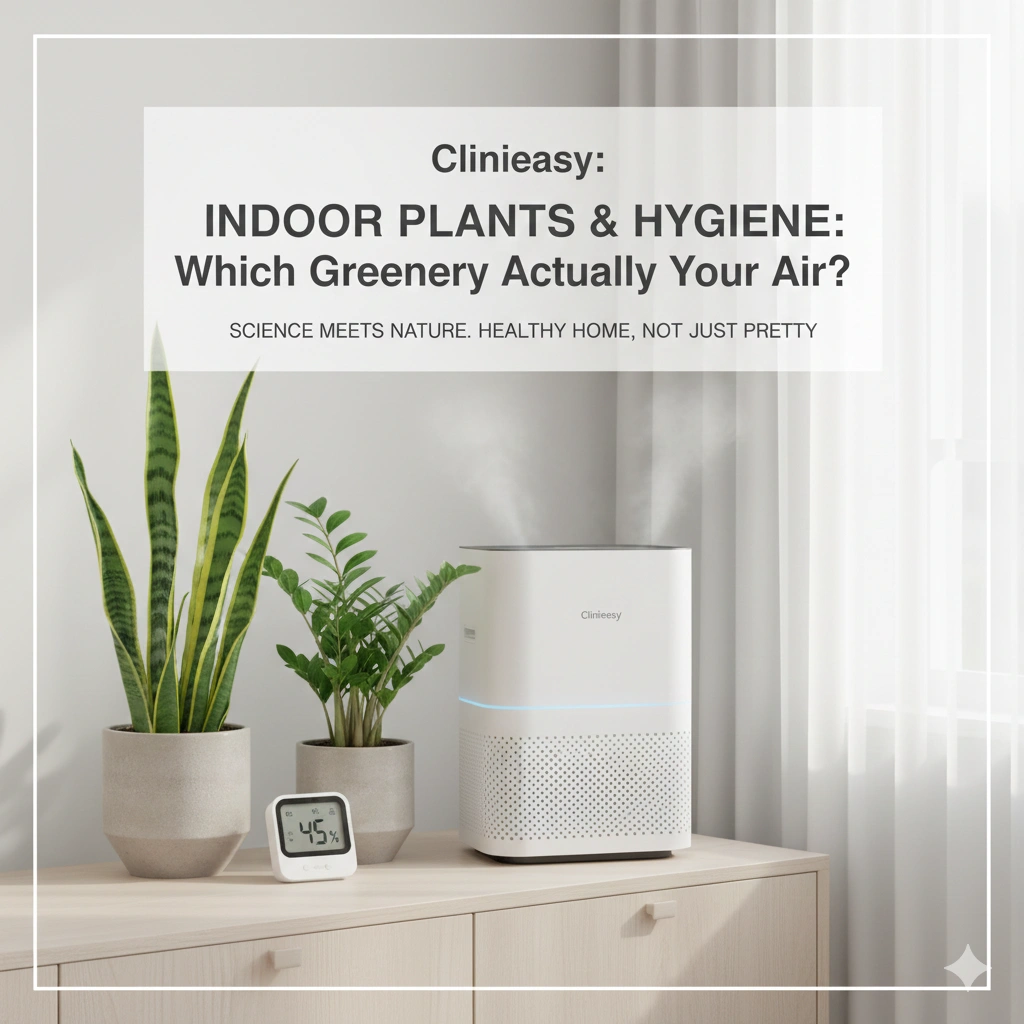

True infection control is not merely a defensive battle against external pathogens; it is an offensive strategy to strengthen the body’s internal resilience. In our quest for a sterile home, we often forget that our greatest weapon is a robust, well-regulated immune system. The “Sanctuary of Wellness” approach integrates traditional hygiene with biological optimization to create an environment where the body can thrive.
This holistic framework recognizes that the home is an ecosystem. From the microbes in our gut to the light hitting our eyes in the morning, every environmental factor influences our biological readiness. Here are the final ten pillars for mastering personal hygiene and immunity at home.
1. Microbiome Stewardship: The Hygiene Hypothesis
The “Hygiene Hypothesis” suggests that ultra-sterile environments can actually weaken the immune system by depriving it of the “training” it needs.
- The Balance: While we must disinfect high-touch surfaces to kill pathogens, we should avoid the over-use of antibacterial soaps for general handwashing. Plain soap and water remove harmful germs without killing the beneficial bacteria that live on your skin and act as a natural barrier.
- Probiotic Integration: Support your internal defenses by incorporating fermented foods (yogurt, kefir, sauerkraut) into your diet, which strengthens the gut microbiome—where 70% of your immune cells reside.
2. Circadian Hygiene and Immune Signaling
Your immune system operates on a clock. Natural Killer (NK) cells and T-cells are more active at specific times of the day. If your internal clock (circadian rhythm) is disrupted, your immune response becomes sluggish.
- Light Exposure: Get 10 minutes of direct sunlight within an hour of waking. This triggers a cortisol spike that “wakes up” your immune system.
- The Dark Shift: In the evening, dim the lights. Darkness signals the body to produce melatonin, which is not just a sleep hormone but a powerful antioxidant and immune regulator.
3. The Humidity-Immunity Connection
In the previous articles, we discussed humidity for air quality; here, we focus on the mucosal barrier. Your nose and throat are lined with “cilia” and mucus that trap viruses.
- The Dryness Risk: When indoor air is too dry (below 30%), these mucosal barriers dry out and “crack,” providing an easy entry point for the common cold and flu.
- Hydration Hygiene: Drink water consistently throughout the day. A well-hydrated body maintains a thicker, more effective mucosal lining in the respiratory tract.
4. Stress Hygiene and Cortisol Management
Chronic stress is an immunosuppressant. When you are constantly in “fight or flight” mode, your body deprioritizes the immune system to save energy for perceived threats.
- The Home Retreat: Designate one area of your home—even just a chair or a corner—as a “stress-free zone.” No phones, no news, and no work are allowed in this space.
- Breathwork as Hygiene: Practice “Box Breathing” (inhale 4s, hold 4s, exhale 4s, hold 4s) for two minutes a day to manually reset your nervous system and lower systemic inflammation.
5. Movement as Systemic Flushing
The lymphatic system is the “sewage system” of the immune system, carrying waste and pathogens away from tissues. Unlike the heart, the lymph system has no pump; it relies on muscle movement.
- The Desktop Protocol: If you work from home, stand up and stretch every 60 minutes.
- Rebounding: Simple movements like jumping jacks or a brisk 10-minute walk around the house “pump” the lymph fluid, ensuring your immune cells are circulating effectively rather than pooling in your extremities.
6. Supplement Hygiene: The Micronutrient Foundation
While a balanced diet is primary, certain “immune-critical” nutrients are often deficient in modern indoor lifestyles.
- Vitamin D3: Known as the “Sunlight Vitamin,” it is essential for activating T-cells. Most people living in northern latitudes or spending significant time indoors are deficient.
- Zinc and Vitamin C: These are the building blocks of white blood cells. Ensure your pantry is stocked with zinc-rich seeds (pumpkin) and vitamin C-rich fruits rather than processed snacks.
- Note: Always consult with a healthcare professional to tailor your supplement protocol to your specific blood levels.
7. Oral-Systemic Health Bridge
The mouth is the gateway to the body. Chronic gum inflammation (gingivitis) creates a “leaky” barrier that allows oral bacteria to enter the bloodstream, causing systemic inflammation that distracts the immune system.
- The Routine: Flossing is non-negotiable. It removes the bacterial colonies between teeth that a brush cannot reach.
- Tongue Scraping: Use a stainless steel tongue scraper every morning to remove the “biofilm” of bacteria and food debris that accumulates overnight.
8. Chemical Load Reduction: “Green” Hygien
The immune system is often “distracted” by the need to process synthetic chemicals found in traditional household products.
- Phthalate-Free Living: Avoid synthetic fragrances in laundry detergents and dish soaps. These chemicals can act as endocrine disruptors, subtly altering the hormonal signals your immune system relies on.
- Natural Alternatives: Use white vinegar, baking soda, and lemon for 80% of your general cleaning. Save the heavy-duty chemical disinfectants specifically for high-risk areas like the toilet or cutting boards.
9. Thermal Stress: Strengthening the Response
Controlled exposure to heat and cold can “prime” the immune system—a process known as hormesis.
- The Contrast Shower: Ending your warm shower with 30 seconds of cold water increases the production of white blood cells and improves circulation.
- Heat Therapy: If you have access to a sauna, or even a hot bath with Epsom salts, the elevated body temperature mimics a mild fever, which can stimulate the production of heat-shock proteins that repair cellular damage.
10. Social Hygiene and the Longevity Connection
Human beings are biological creatures that require social connection for hormonal health. Loneliness has been shown to increase markers of inflammation and decrease antiviral responses.
- Intentional Connection: Make it a hygiene habit to have one meaningful, face-to-face (or voice-to-voice) interaction every day.
- The “Laughter” Reflex: Laughter lowers cortisol and increases the activity of antibody-producing cells. A home filled with humor is, quite literally, a healthier home.
Conclusion: The Holistic Shield
Infection control is not just about the germs you kill; it is about the health you cultivate. By combining the rigorous sanitation practices of a clinic with the wellness-oriented habits of a sanctuary, you create a home that doesn’t just keep you safe—it keeps you strong. This is the ultimate goal of the modern home: to be a place where biology and lifestyle work in perfect, healthy harmony.