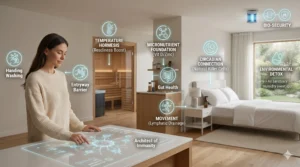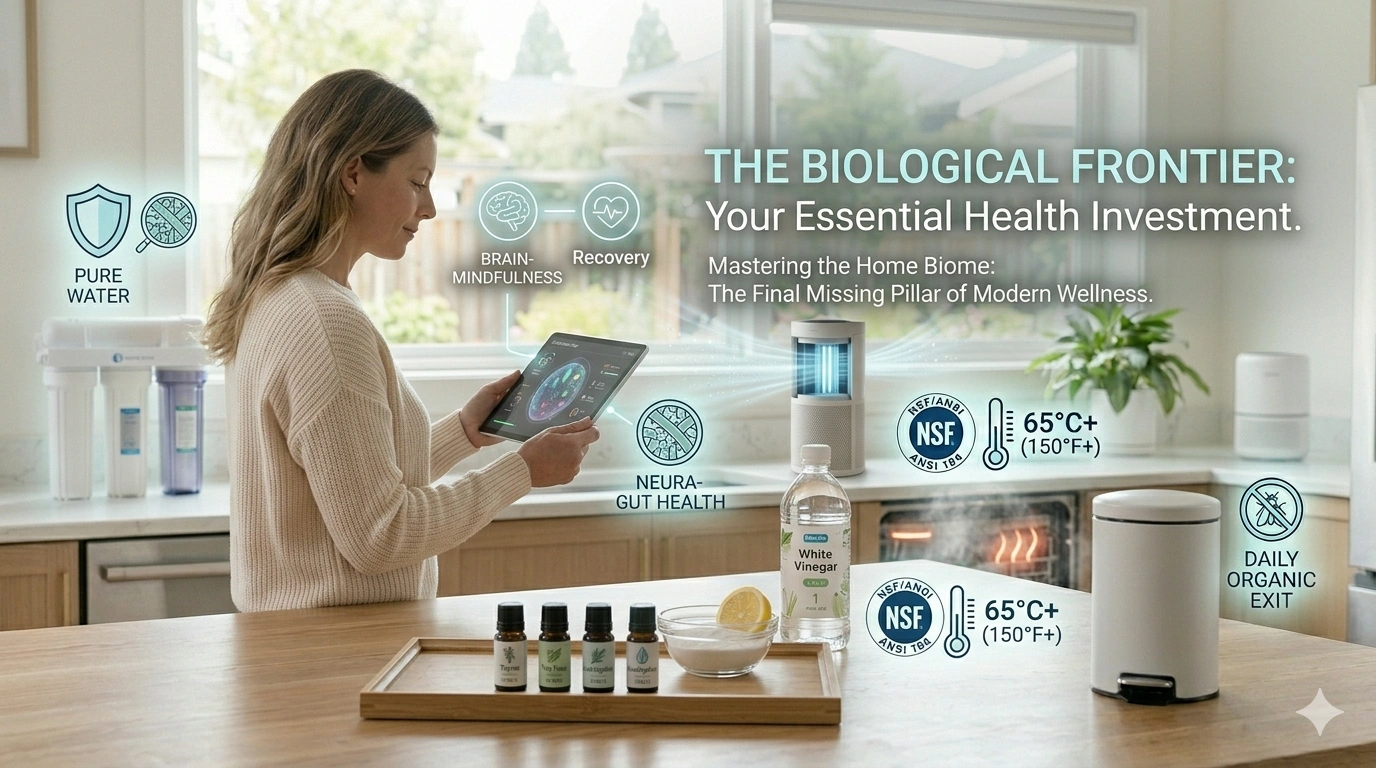

We are entering a new era of proactive wellness. We’ve mastered nutrition, personalized our fitness routines, and integrated mindfulness into our daily lives. Yet, for all our health-consciousness, we are often biologically exposed in our most intimate space: our home.
Traditional “cleaning”—defined by citrus scents and aesthetic neatness—is no longer sufficient. True wellness requires a transition to clinical infection control and advanced domestic hygiene. Your home is not a static environment; it is a dynamic biological frontier where complex ecosystems of microbes, allergens, and environmental pollutants constantly interact with your household. Mastering this environment is the ultimate foundation for sustainable, long-term health. Here is why high-quality infection control is your next essential wellness investment.
The Myth of “Good Enough” Cleaning
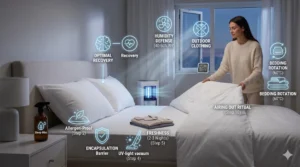
The wellness industry has a “dirty secret”: traditional cleaning methods often fail to control the transmission of harmful pathogens, such as Staphylococcus aureus or E. coli. A spotless kitchen counter can still harbor clinically significant microbial loads, and a freshly vacuumed carpet can continue to harbor fine particulate matter ($PM_{2.5}$) and dust mite allergens.
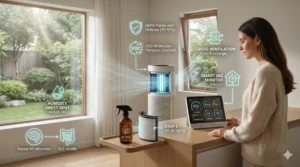
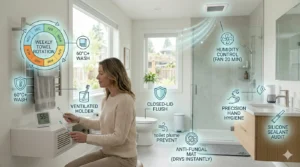
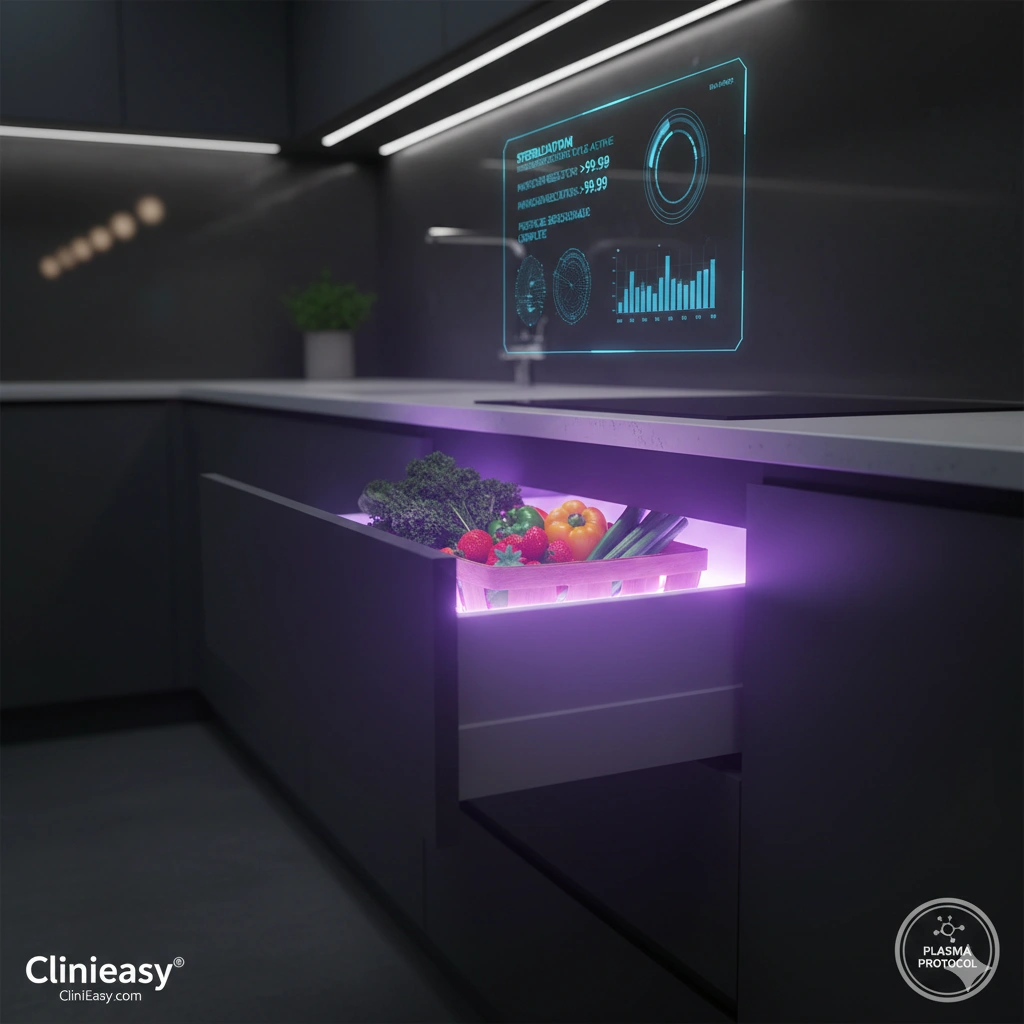
High-quality infection control uses science, not just soap. It requires understanding the difference between cleaning (removing visible dirt) and disinfecting (destroying pathogens). It involves a multi-pronged engineering approach—integrating proper ventilation, humidity control, and targeted sterilization protocols (like the UVGI system, image_53.png style) that are clinical, not cosmetic.
The Home Biome: A Managed Resource
When you ignore the biological status of your home, you are ignoring a powerful determinant of your health. Research on the “Hygiene Hypothesis” and the indoor “microbiome” shows that our domestic environment can either train our immune systems for resilience or burden them with chronic low-level inflammation.
Advanced hygiene is not about hyper-sterility; it is about stewardship. A bio-ethical home (referenced in previous articles) balances targeted sterilization with the cultivation of a robust and healthy microbiome. Mastering the home biome ensures that your domestic environment functions as a defensive buffer, not a reservoir for disease.
The High-Performance Requirement
For entrepreneurs and professionals in high-intensity fields like Druvion Studio or the computer coaching center, biological exposure is a non-quantifiable business risk. A preventable bout of influenza or a significant seasonal allergy flare-up doesn’t just impact your health; it disrupts your productivity, cognitive flow, and professional performance.
Investing in advanced domestic hygiene is a commitment to biological security. By implementing a professional structure of infection control (much like a data security protocol for your network), you drastically reduce the environmental friction on your system. A healthy home sanctuary provides the biological security required for consistent, high-performance cognitive and creative work.
Conclusion: Engineering the Future of Home Wellness
The home of the future must be more than comfortable; it must be protective. We have engineered our homes for aesthetic pleasure and environmental comfort, but we have largely failed to engineer them for biological security.