In this final installment, we transition from the architecture of the building to the standard operating procedures (SOPs) of the inhabitant. To maintain a high-quality environment, one must occasionally think like a professional—specifically, like a contamination control specialist in a high-tech cleanroom or a surgical suite.
Infection control at home often fails not due to a lack of effort, but due to “procedural drift”—the slow degradation of habits over time. To combat this, we must implement professional-grade systems that turn hygiene from an emotional reaction to a predictable, mechanical process. Here are 10 advanced protocols to finalize your mastery of the domestic environment.
1. The “Aseptic Technique” for Home Healthcare
When a family member is injured or ill, the home becomes a makeshift clinic. Practicing aseptic technique prevents the introduction of pathogens into vulnerable sites.
- The Sterile Field: Before dressing a wound or administering medicine, clear a small area and disinfect it with 70% alcohol. Lay down a clean, lint-free cloth.
- Hand Scrub: Perform a full 60-second “surgical” wash—not just the palms, but up to the elbows. This ensures that any accidental contact during care doesn’t transfer deep-seated bacteria.
2. Post-Illness “Terminal Cleaning”
In hospitals, a room undergoes a “terminal clean” after a patient is discharged. You should replicate this once a household member recovers from a viral or bacterial infection.
- Protocol: Strip all linens and wash them on the highest heat setting. Disinfect every single surface the person touched, including the “forgotten” ones: the underside of the bed frame, the lamp switch, and the window latches.
- Air Scrubbing: Run your HEPA filter on its maximum setting for six hours post-recovery to catch any remaining aerosolized particles shed during the final stages of the illness.
3. Personal Protective Equipment (PPE) Donning and Doffing
Using gloves or masks is useless if you contaminate yourself while taking them off. This is known as “Doffing Contamination.”
- The Rule of “Dirty to Dirty”: When removing gloves, use the gloved fingers of one hand to pinch the outside of the other glove at the wrist, peeling it off inside-out.
- The Sequence: Always remove your mask last, after washing your hands to ensure you aren’t touching your face with contaminated fingers.
4. Color-Coded Tool Segregation
Cross-contamination often occurs when the same cloth used in the bathroom is accidentally used in the living room. Professional cleaners eliminate this risk through color coding.
| Color | Destination | Risk Level |
| Red | Toilets, Urinals, Bathroom Floors | High (Biohazard) |
| Yellow | Sinks, Taps, Tiles, Showers | Medium |
| Green | Kitchens and Food Prep Areas | High (Cross-contamination) |
| Blue | Glass, Mirrors, Dusting | Low |
5. Managing the “Bio-Waste” Stream
Standard kitchen trash is one thing; waste from a sick person is another.
- The Red-Bag Protocol: If someone has a contagious stomach bug or flu, use a separate, lined bin in their room. Double-bag this waste before placing it in the outdoor bin. This protects both the rest of the family and the waste-management workers.
6. Biofilm Disruption in Appliances
Bacteria create “biofilms”—slimy protective coatings—inside machines that use water. These biofilms can harbor Legionella or Listeria.
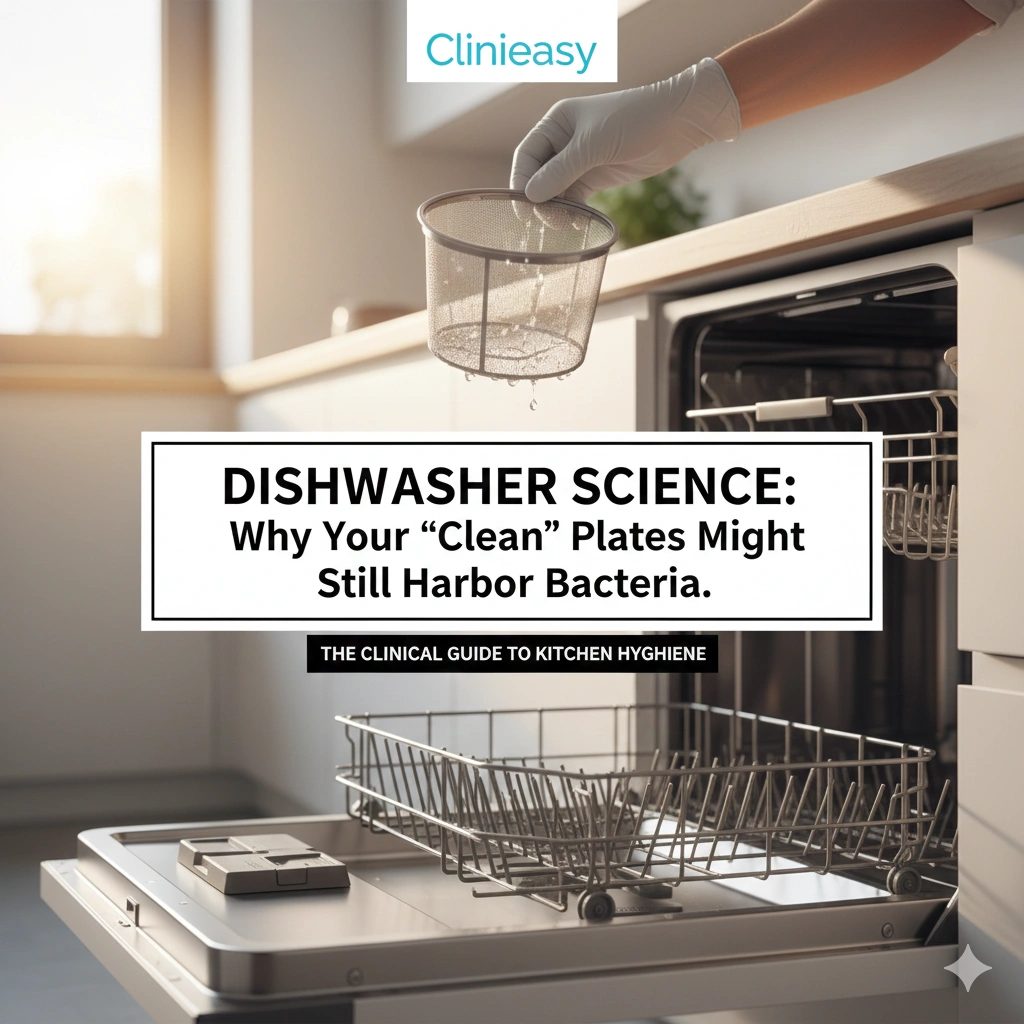
- Dishwasher Audit: Check the filter and the rubber seals. Biofilm here can survive standard cycles. Scrub these areas with a brush and vinegar once a month.
- Coffee Reservoirs: Water tanks on espresso machines should be emptied and dried daily. Stagnant water is the primary cause of microbial growth in high-end kitchen tech.
7. The 5S Methodology for Hygiene
Adopt the Japanese “5S” system (Sort, Set in order, Shine, Standardize, Sustain) for your cleaning supplies.
- Shine: This means keeping the cleaning tools themselves clean. A dirty vacuum filter or a gray, grimy mop head isn’t an instrument of hygiene; it’s an instrument of contamination.
- Standardize: Create a “Cleaning Kit” caddy that contains everything needed for a specific room. This prevents you from carrying a contaminated sponge from the bathroom into the kitchen.
8. The “First-In, First-Out” (FIFO) Sanitizer Rule
Antimicrobials and hand sanitizers have expiration dates. Over time, the alcohol can evaporate, or the active ingredients can degrade, rendering them ineffective.
- Protocol: Store your supplies so the oldest items are at the front. Check expiration dates every six months. Using “dead” sanitizer provides a false sense of security that can lead to infection.
9. Microbiological “Contact Tracing” at Home
When an illness enters the home, perform a mental “contact trace.” Where did the sick person go? What did they touch before symptoms appeared?
- Immediate Interception: If a child returns from school with a fever, don’t wait for them to get into bed. Intercept them at the door, change their clothes, and immediately disinfect the “path of entry”—the door handle, the hallway light, and the bathroom faucet they just used.
10. The Audit of the Invisible: Light and Air
Professional hygiene standards include factors that the human eye cannot see.
- UV Integrity: If you use UV-C sanitizing boxes for your tech, check the bulbs. They lose efficacy long before they actually burn out. Replace them every 1,000 hours of use.
- Acoustics of Health: High noise levels increase stress, which lowers immune response. Part of your “hygiene” audit should include checking for buzzing electronics or rattling fans that contribute to a high-stress environment.
Conclusion: The Holistic Guardian
You have now traveled through the entire spectrum of modern infection control—from the chemistry of soap to the architecture of the future, and finally to the professional SOPs of a clinical-standard home.