Advertisement
Digital nomadism is often portrayed as a seamless string of sunsets and productivity, but the reality is frequently messy. Canceled flights, spotty Wi-Fi during a crucial meeting, and the mental tax of constant adaptation can wear down even the most seasoned traveler. Success in this lifestyle isn't just about technical skill—it’s about psychological resilience. Embracing the "Plan B" Mentality In a life defined by movement, the only constant is change. Resilience isn't about preventing problems; it's about how quickly you recover when they inevitably occur. Developing a "Plan B" mentality allows you to view obstacles as logistical puzzles rather than personal failures. Three Psychological Tools for the Long-Term Nomad: Radical Adaptability: When the power goes out in your neighborhood or your favorite cafe is closed, your stress levels are determined by your expectations. Practice shifting your focus from "what should have happened" to "what is the next best move." This flexibility reduces cortisol and keeps you in a problem-solving state. The "Routine in a Box": While your external environment changes, your internal rhythm shouldn't have to. Carry a few small "anchors"—a specific morning playlist, a certain type of tea, or a 10-minute meditation practice. These portable rituals signal to your brain that you are "home," providing comfort in unfamiliar territory. Growth Through Discomfort: Many nomads quit because the "honeymoon phase" ends and the reality of laundry, taxes, and loneliness sets in. Reframe these moments as opportunities for personal growth. Navigating a foreign hospital or fixing a remote server under pressure builds a level of self-efficacy that no office job can provide. The Marathon, Not the Sprint The nomads who thrive for years are those who prioritize their mental health as much as their Wi-Fi speed. They know when to take a "vacation from their vacation," when to stay in one place for three months to recharge, and when to ask for help from their network. Series Wrap-Up Thank you for following the Digital Nomad's Toolkit. We’ve covered everything from GaN chargers to the deep psychology of resilience. Whether you are just starting out or are a veteran of the road, remember that the goal isn't just to work from anywhere—it's to thrive everywhere.

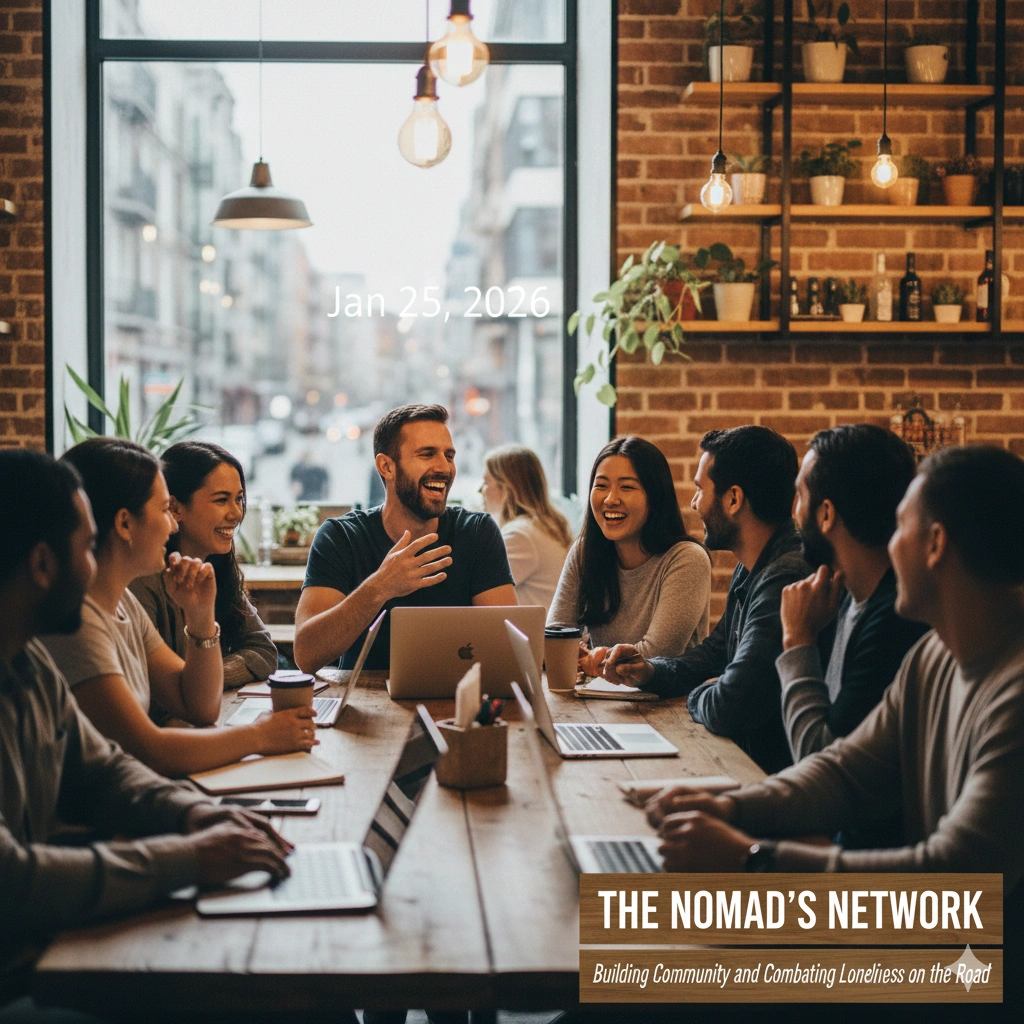
The allure of the digital nomad lifestyle often highlights freedom and exotic locales, but the reality can sometimes be isolating. Constantly moving means frequently leaving behind nascent friendships and familiar faces. “The Nomad’s Network” is about actively building meaningful connections, finding support systems, and creating a sense of belonging, no matter where your journey takes you.

Beyond Solitude: Seeking Connection

While solo exploration is a joy, humans are inherently social creatures. Cultivating a network of both fellow nomads and locals enriches your travels, offers support during challenges, and combats the unique loneliness that can come with a transient lifestyle.

Three Strategies for Forging Connections:

  1. Leverage Co-working Spaces & Nomad-Friendly Cafes:
    • As discussed in a previous article, co-working spaces are goldmines for networking. Many host social events, workshops, and happy hours specifically for their members. Nomad-friendly cafes often have communal tables or bulletin boards that can lead to impromptu conversations.
  2. Join Online & Local Nomad Communities:
    • Platforms like Nomad List, Facebook groups dedicated to digital nomads in specific cities, or local Meetup groups are invaluable resources. Post an introduction, ask for recommendations, or suggest a casual get-together. Showing initiative is key.
  3. Engage with Locals (Beyond Tourism):
    • While connecting with other nomads is great, true immersion comes from engaging with the local population. Take a language class, join a local sports club, volunteer for a day, or simply frequent the same small businesses. Learning a few phrases in the local language can open many doors and lead to genuine friendships.

The “Give More Than You Take” Philosophy

When building your network, approach it with a mindset of contribution. Offer your skills, share your insights, or simply be a good listener. Being a valuable and supportive member of a community, even a temporary one, makes you more approachable and helps foster stronger, more authentic connections.

What’s Coming Next…

In our final installment, “Mindset & Resilience,” we’ll explore the psychological tools and coping mechanisms needed to navigate the challenges, embrace the uncertainties, and truly thrive in the unpredictable world of digital nomadism.


Leave a Reply

Your email address will not be published. Required fields are marked *

2 mins