One of the greatest fears for any traveler is the language barrier—the moment you realize your textbook phrases are useless and you are standing in a world of unintelligible sounds. Yet, it is often in these moments of linguistic silence that the most authentic connections occur. When we cannot rely on words, we are forced to use the universal “Language of Connection”: eye contact, gestures, shared laughter, and genuine presence.
The Power of Non-Verbal Empathy
Studies suggest that a vast majority of human communication is non-verbal. In a foreign land, a simple smile, a respectful nod, or a shared look of confusion over a complicated menu can bridge a cultural chasm more effectively than a poorly translated sentence.
Three Ways to Connect Without a Common Language:
- The Universal Currency of Food:
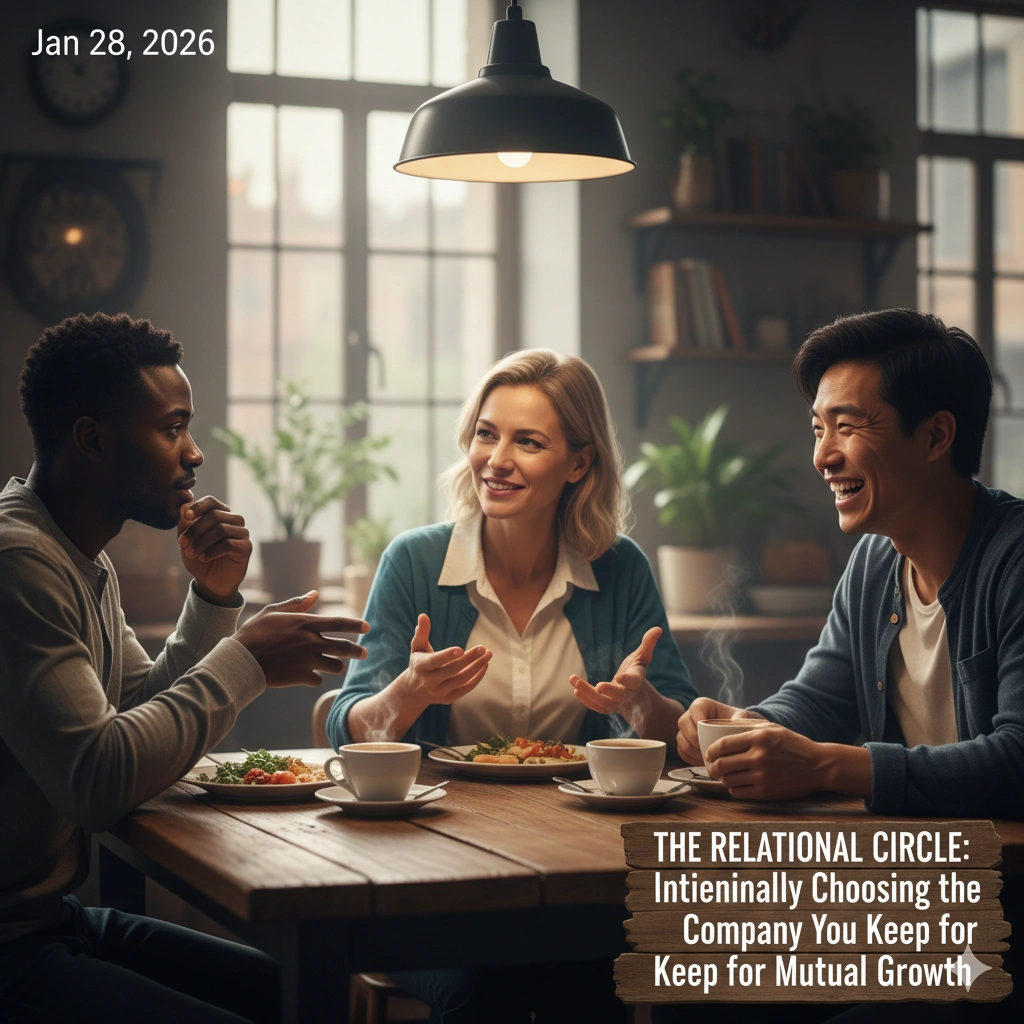
- Food is the ultimate icebreaker. Sitting at a communal table in a local market or gesturing “thank you” after a delicious street-side meal creates a shared experience. Showing appreciation for someone’s culinary heritage is a deep form of respect that requires no translation.
- Observation and Imitation:
- Pay attention to the local rhythm. How do people greet each other? How do they navigate public spaces? By subtly observing and mirroring local etiquette, you show a willingness to adapt and respect their culture, which is often met with warmth and openness.
- The Art of “Miming” and Humor:
- Don’t be afraid to look a little silly. Miming your needs or laughing at your own inability to communicate can break the tension of a transaction. Vulnerability is a powerful connector; when you drop your guard and try, people are almost always eager to help.
The Gift of Listening
Sometimes, the best way to communicate is simply to listen—not just to the words, but to the tone, the environment, and the emotion. By being fully present, you signal that you value the other person’s presence, regardless of the words being spoken.
What’s Coming Next…
In our next installment, “The Mirror of the Road,” we’ll explore how seeing ourselves through the eyes of another culture can challenge our deepest assumptions and reveal hidden parts of our own identity.