Advertisement
In a rapidly changing world, the most valuable skill isn't knowing everything—it’s the ability to learn anything. "The Constant Learner" explores the concept of Shoshin, or "beginner’s mind." This is the practice of approaching life with openness, curiosity, and a lack of preconceptions, even when you are already an expert in your field. By remaining a student of life, you ensure that you never become stagnant, and you remain ready to adapt to whatever new challenges the future holds. The Danger of the "Expert" Mindset When we believe we have "arrived" or mastered a subject, our minds naturally close. we stop asking questions, stop noticing details, and become resistant to new ideas that challenge our existing knowledge. This intellectual rigidity is the enemy of innovation and personal growth. The constant learner knows that the more they learn, the more they realize how much they don't know. Three Ways to Cultivate a Beginner's Mind: Ask "Why" and "How" More Often: Even with tasks you’ve done a thousand times, try to look at them with fresh eyes. Ask yourself, "Why do we do it this way?" or "How could this be done differently?" This curiosity keeps your brain engaged and often leads to unexpected improvements. Learn Something Completely Unrelated: Step outside your comfort zone and dive into a subject that has nothing to do with your profession or usual hobbies. Whether it's a new language, a musical instrument, or a branch of science, the process of being a "clumsy beginner" again keeps your mind flexible and humble. Find a Mentor (at any age): Seek out people who know more than you do, regardless of their age or status. A true learner is willing to be taught by anyone. Listen more than you speak, and treat every conversation as an opportunity to gain a new perspective. The Fountain of Youth for the Mind Lifelong learning isn't just about accumulating facts; it's about maintaining a sense of wonder and possibility. It keeps your mind sharp, your spirit young, and your life full of surprises. When you commit to being a constant learner, you don't just survive change—you thrive on it. Series Wrap-Up Thank you for following The Unfolding Self. We hope these articles have inspired you to look inward, grow outward, and live with more intention and presence.
  • Personal Hygiene
  • The Wisdom of “No”

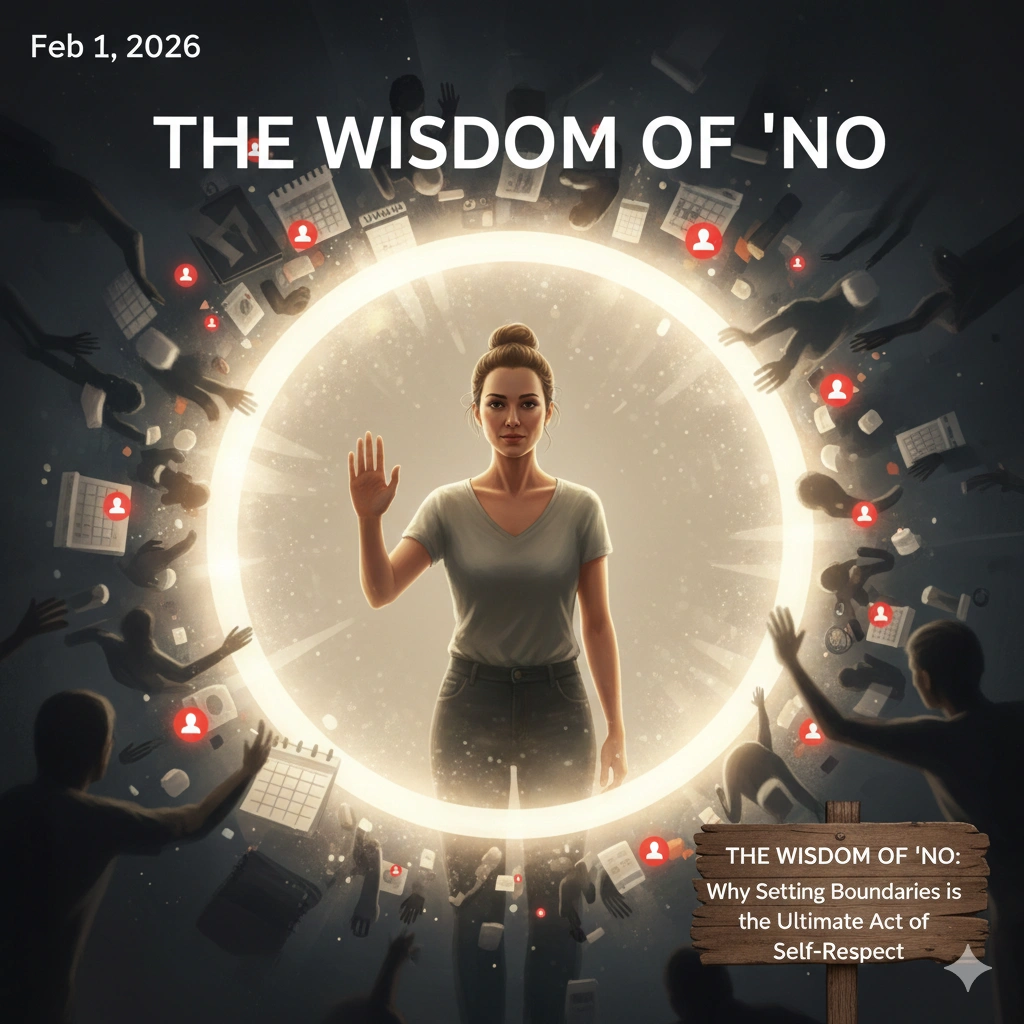
    We often view the word “no” as a negative, a rejection, or a sign of selfishness. However, “The Wisdom of ‘No'” argues that “no” is actually one of the most positive and productive words in your vocabulary. Every time you say “yes” to something that doesn’t align with your values or goals, you are inadvertently saying “no” to your own peace, focus, and well-being. This article explores how setting healthy boundaries allows you to protect your energy for the things that truly matter.

    The Cost of People-Pleasing

    When we say “yes” out of guilt or a fear of letting others down, we end up overcommitted and exhausted. This “chronic yes” leads to resentment, burnout, and a life that feels like it belongs to everyone else but you. Boundaries aren’t walls to keep people out; they are gates that allow you to decide what—and who—is allowed into your mental and emotional space.

    Three Ways to Practice the Wisdom of “No”:

    1. The Pause Before the “Yes”:
      • When a request is made of you, don’t respond immediately. Give yourself a 24-hour rule or even a simple breath’s pause. Ask yourself: “Does this align with my current priorities?” or “Do I have the genuine capacity for this?” Taking a moment to reflect prevents the “reflexive yes.”
    2. The “No” Without an Apology:
      • You don’t need a complex excuse to protect your time. A simple, “I can’t take that on right now, but thank you for thinking of me,” is sufficient. When we over-explain, we invite negotiation. A firm but kind “no” is a complete sentence that commands respect for your boundaries.
    3. Audit Your Energy Leaks:
      • Identify the activities or relationships that consistently leave you feeling drained rather than inspired. Setting a boundary might mean limiting time on a specific app, saying no to a recurring meeting that lacks purpose, or creating space in a draining relationship. Your energy is a finite resource; treat it as such.

    Reclaiming Your Sovereignty

    Saying “no” to the non-essential is what gives your “yes” its power. By setting boundaries, you create a life of intentionality. You move from being reactive to being proactive, ensuring that your time and energy are spent on the work, the people, and the experiences that genuinely fulfill you.

    What’s Coming Next…

    In our final installment, “The Constant Learner,” we’ll explore how maintaining a “beginner’s mind” is the secret to staying vibrant and adaptable throughout your life.


    Leave a Reply

    Your email address will not be published. Required fields are marked *

    3 mins