Advertisement
In a widely discussed address from the Vatican today, Pope Leo sounded an alarm regarding the rapid rise of emotionally intelligent AI companions. As "Synthetic Empathy" becomes a primary feature in new OS updates, the Vatican is calling for strict international regulation to prevent "digital isolation." The Concern: The Pope warned that AI programmed to be "perfectly agreeable and affectionate" could lead to a decline in genuine human empathy and a "mass withdrawal" from traditional social structures. The "Synthetic Emotion" Trend: This comes as the NTT DATA Foresight Report 2026, released today, identifies Embodied Agency and Emotions as a top technology trend, predicting that emotionally responsive systems will soon serve as essential "social infrastructure." Global Pushback: Regulators in both California and the EU are already moving to enforce "honesty filters" that require AI to explicitly disclose when its "emotions" are being simulated to manipulate user engagement. 🗞️ Other Trending Headlines Beyond the AI ethics debate, here is what else is breaking on the world stage: 🌌 Space: Ashoka Chakra for India's ISS Visitor President Murmu today approved the Ashoka Chakra for Group Captain Shubhanshu Shukla, honoring him as the first Indian visitor to the International Space School (ISS) and a pioneer in India's new era of orbital research. 🐆 Conservation: New "Wildlife Corridor" Launched Prime Minister Modi officially launched a massive "Wildlife Corridor Project" centered around Kaziranga National Park. The project uses AI "nose pattern" recognition (initially pioneered in Ahmedabad) to track and protect the rhino population in real-time. 🏗️ Business: Maharashtra’s Davos Win Fresh off the World Economic Forum, Maharashtra has confirmed investment agreements worth a staggering ₹14.5 lakh crore, focused heavily on semiconductor manufacturing and green energy infrastructure. 📉 Trade: The Canada-China Rift China has officially clarified that its new trade deal with Canada is "not aimed at third parties," following threats from the U.S. administration to impose 100% tariffs on certain trans-shipped goods.
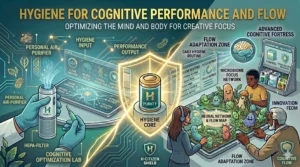
  • Personal Hygiene
  • Gold Shatters the $5,000 Ceiling

    For the first time in history, gold has surged past the $5,000 per ounce mark. The rally is being driven by aggressive buying from central banks—including the RBI—as they look to hedge against a volatile U.S. dollar and shifting global trade policies.

    • The Catalyst: Economic uncertainty following new rounds of global trade tariffs and the “de-dollarization” trend has led central banks in Poland, Brazil, and India to significantly increase their gold reserves.
    • India’s Position: Gold now accounts for roughly 17% of India’s total forex reserves, up from 12% just last year, providing a massive buffer for the national economy.

    🗞️ Other Trending Headlines

    If you’re looking for more variety, here is what’s making the “next page” today:

    • ⚡ Tech: The “Phonon Laser” Breakthrough Engineers have successfully created a device that generates tiny vibrations on a microchip, potentially replacing traditional electronics with ultra-efficient, earthquake-like pulse technology. This could lead to smartphones that are smaller and significantly faster than anything on the market today.
    • 🏏 Sports: T20 World Cup Prep & Fitness Scares Indian all-rounder Washington Sundar is in a race against time to recover from a rib injury before India’s warm-up matches. Meanwhile, veteran Shreyas Iyer remains in the squad for the current New Zealand series as the team finalizes its lineup for the 2026 World Cup.
    • 🏛️ Politics: All-Party Meet Before Union Budget Ahead of tomorrow’s Budget Session, the government has convened an all-party meeting. All eyes are on whether the 2026 Budget will include the rumored customs reforms and further tax incentives for the “luxe” tech manufacturing sector.
    • 🦕 Science: AI Solves Dinosaur Mystery A new AI tool developed by paleontologists has successfully identified a series of previously “unclassifiable” dinosaur footprints by scanning micro-patterns in the sediment, solving a puzzle that had stumped researchers for over 40 years.

    Leave a Reply

    Your email address will not be published. Required fields are marked *

    2 mins