Advertisement
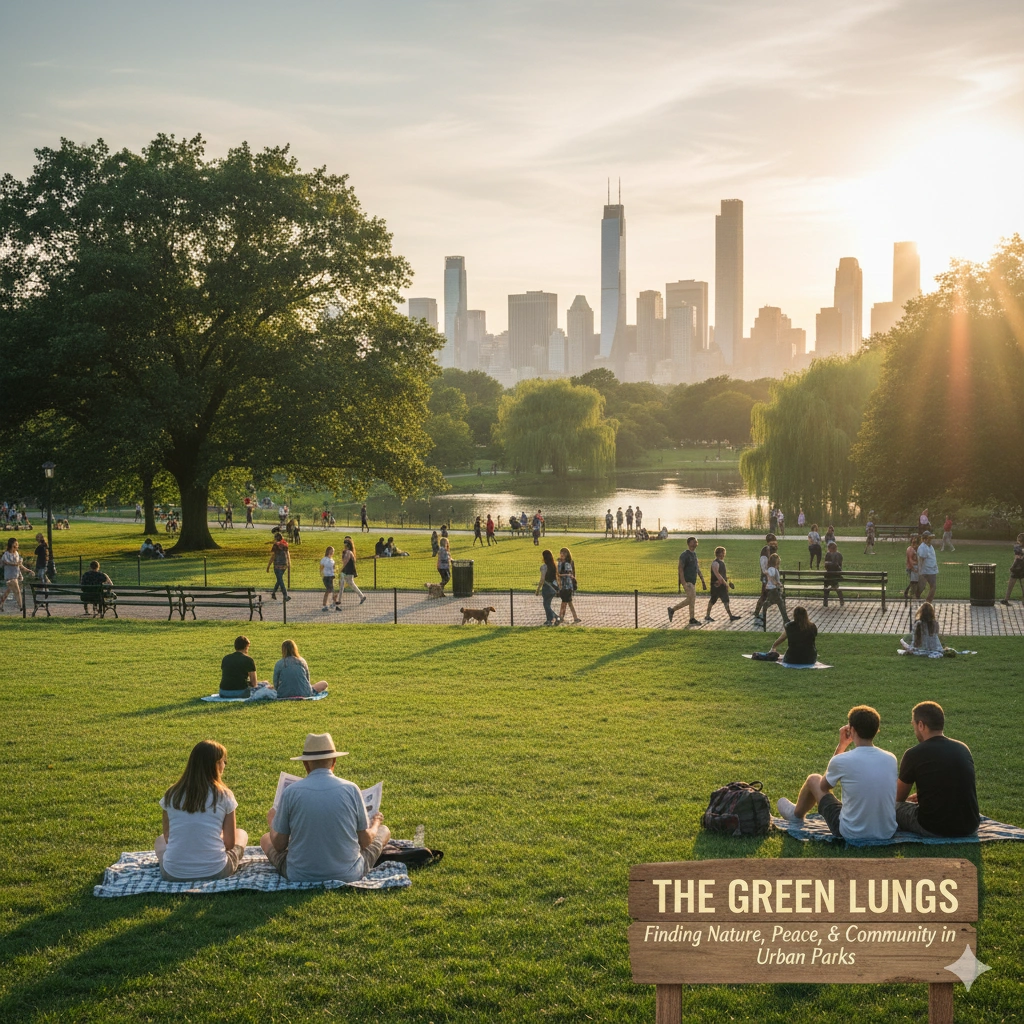
Amidst the towering skyscrapers and bustling thoroughfares, every great city breathes through its green spaces. Urban parks, secret gardens, riverbanks, and even rooftop oases are more than just patches of grass; they are the "Green Lungs" of the metropolis. They offer vital spaces for relaxation, recreation, community gathering, and a much-needed connection to nature for city dwellers and travelers alike. Nature's Respite in the Concrete Jungle In an environment often defined by concrete and steel, these natural havens provide a crucial counterpoint—a place where the pace slows, the air feels fresher, and the sounds of traffic are softened by birdsong and rustling leaves. Three Ways Green Spaces Reveal a City's Character: Community Hubs and Social Mirrors: Observe how locals use their parks. Are families picnicking, elders playing chess, or friends practicing tai chi? Parks often serve as democratic meeting grounds, reflecting the social fabric, demographics, and collective leisure habits of the neighborhood. Historical Layers and Design Philosophy: Many urban parks have rich histories, sometimes built on former battlegrounds, industrial sites, or ancient farmlands. Their design, whether meticulously landscaped formal gardens or wild, rewilded spaces, can reveal a city's aesthetic values, its commitment to conservation, or its historical evolution. Moments of Quiet Contemplation: Even in the busiest cities, green spaces offer pockets of solitude. Finding a quiet bench under a tree or walking along a hidden path allows for reflection and a break from sensory overload. These moments of peace can be surprisingly profound, helping you process your travel experiences and reconnect with yourself. The Art of the Urban Escape Don't just walk through a park; immerse yourself. Pack a picnic, read a book on a shaded bench, or simply sit and people-watch. Engaging with these green lungs allows you to experience a different, calmer side of urban life, discovering how cities nurture both their residents and their natural environment. What’s Coming Next... In our final installment, "The Human Tapestry," we’ll explore the vibrant diversity of a city's neighborhoods, focusing on how different communities contribute to the rich, multifaceted identity of the urban landscape.

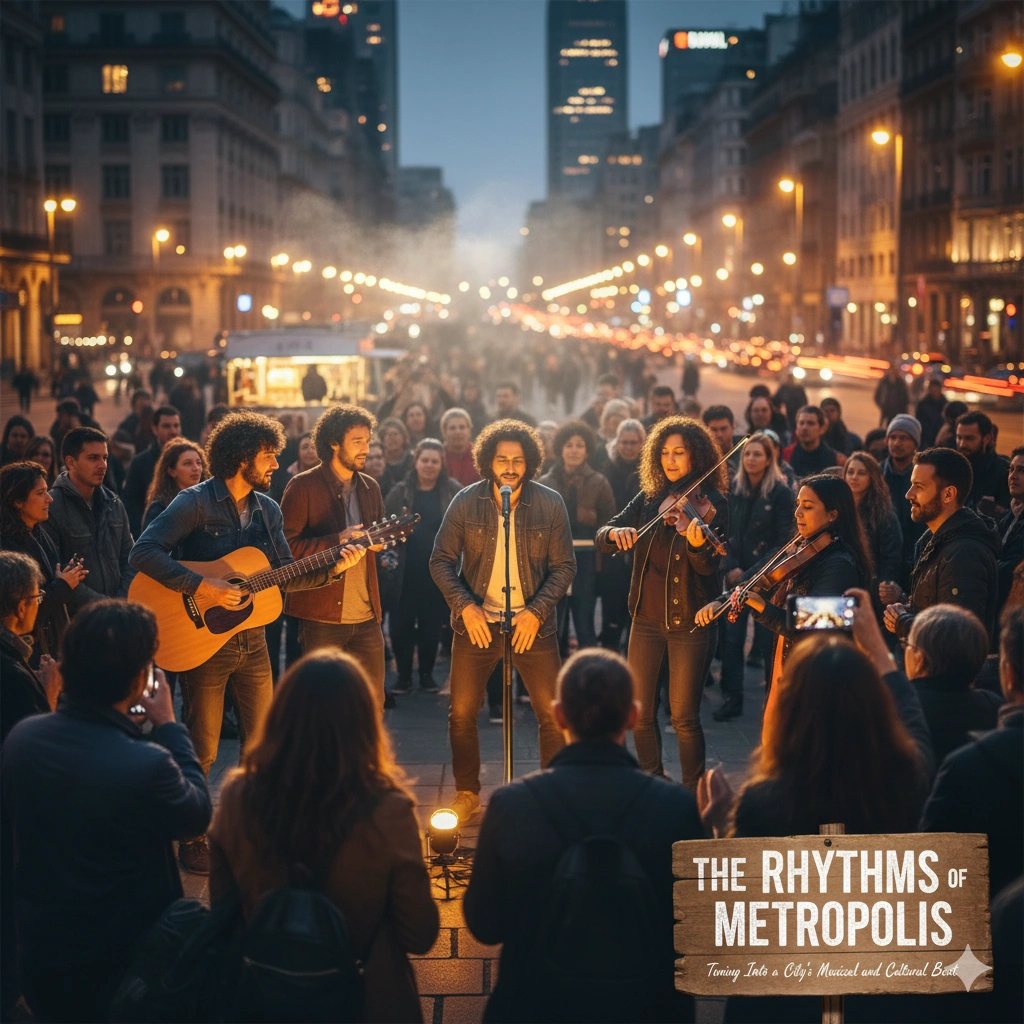
If you want to feel a city’s pulse, listen to its music. Beyond the concert halls and mainstream radio, every metropolis hums with a distinct rhythm—the busker in the subway, the late-night jazz in a basement club, or the traditional folk songs echoed in a neighborhood park. These sounds are the audible heartbeat of a community, reflecting its history, its struggles, and its celebrations.

The Soundscape of Identity

Music is often the most portable and resilient part of a culture. As people move and cities grow, they bring their rhythms with them, creating a sonic melting pot that evolves over generations.

Three Ways to Experience a City’s Sonic Soul:

  1. The Basement and the Backroom:
    • The most innovative and authentic sounds are rarely found in the stadiums. Seek out the small, independent venues—the “hole-in-the-wall” jazz bars in New Orleans, the underground techno clubs in Berlin, or the fado houses in Lisbon. These intimate spaces are where the true local talent hones its craft.
  2. Festivals of the People:
    • Look for community-led street festivals and block parties. Whether it’s a neighborhood “mela” in Mumbai or a samba school rehearsal in Rio, these events showcase the collective energy and cultural pride of the residents through dance and song.
  3. Street Performance as Storytelling:
    • Take a moment to stop and listen to street musicians. In many cities, busking is a highly respected art form with a long tradition. These performers often provide a raw, immediate connection to the local environment, their songs reflecting the daily grind and the shared dreams of the urban population.

Dancing to the City’s Beat

Don’t just listen—participate. Whether it’s joining a public tango session in a Buenos Aires square or simply nodding along to a drum circle in a park, engaging with a city’s music is a powerful way to bridge cultural gaps and feel truly present in the moment.

What’s Coming Next…

In our next installment, we’ll explore “The Green Lungs,” looking at how urban parks, secret gardens, and rooftop forests provide essential space for reflection and community in the heart of the concrete jungle.

Leave a Reply

Your email address will not be published. Required fields are marked *

2 mins