Advertisement
Eating delicious food is a joy, but understanding its journey from the earth to your plate offers a profound connection to a culture. "From Farm to Feast" is about getting your hands dirty (or sticky!), meeting the people behind the ingredients, and learning the stories woven into every dish. These immersive culinary experiences transform passive consumption into active participation. Beyond the Restaurant Table While a great meal at a local eatery is essential, true gastronomic travel invites you into kitchens, fields, and vineyards. It's in these spaces that you learn the "why" and "how" behind the flavors, moving beyond taste to genuine understanding. Three Immersive Culinary Experiences to Seek Out: Local Cooking Classes: This is perhaps the most direct way to engage with a cuisine. Under the guidance of a local chef or home cook, you'll learn traditional techniques, understand ingredient substitutions, and often hear family stories passed down through generations. You leave not just with a recipe, but with a deeper appreciation for the effort and history embedded in each dish. Farm or Vineyard Tours & Tastings: Discovering where your food and drink originate is transformative. Walking through olive groves in Tuscany, picking tea leaves in Sri Lanka, or touring a cheesemaker's farm in France connects you directly to the land and the labor. Tastings on-site, often paired with explanations from the producers, highlight the nuances that climate, soil, and tradition impart to the final product. Home Meal Experiences / "Dine with a Local": Several platforms now connect travelers with local families who invite guests into their homes for an authentic, homemade meal. This offers unparalleled insights into daily life, family traditions, and local hospitality. It's often where the most meaningful cultural exchanges happen, transforming strangers into friends over shared food. The Souvenir That Feeds Your Soul Unlike a trinket, the knowledge and skills gained from a culinary experience continue to enrich your life long after the trip is over. Cooking a newly learned dish for friends back home becomes a storytelling event, keeping your travel memories alive and sharing a piece of the world with others. What’s Coming Next... In our final installment, "Sustainable Sips & Bites," we'll explore how travelers can make ethical food choices, support sustainable practices, and contribute positively to local food economies.
  • Personal Hygiene
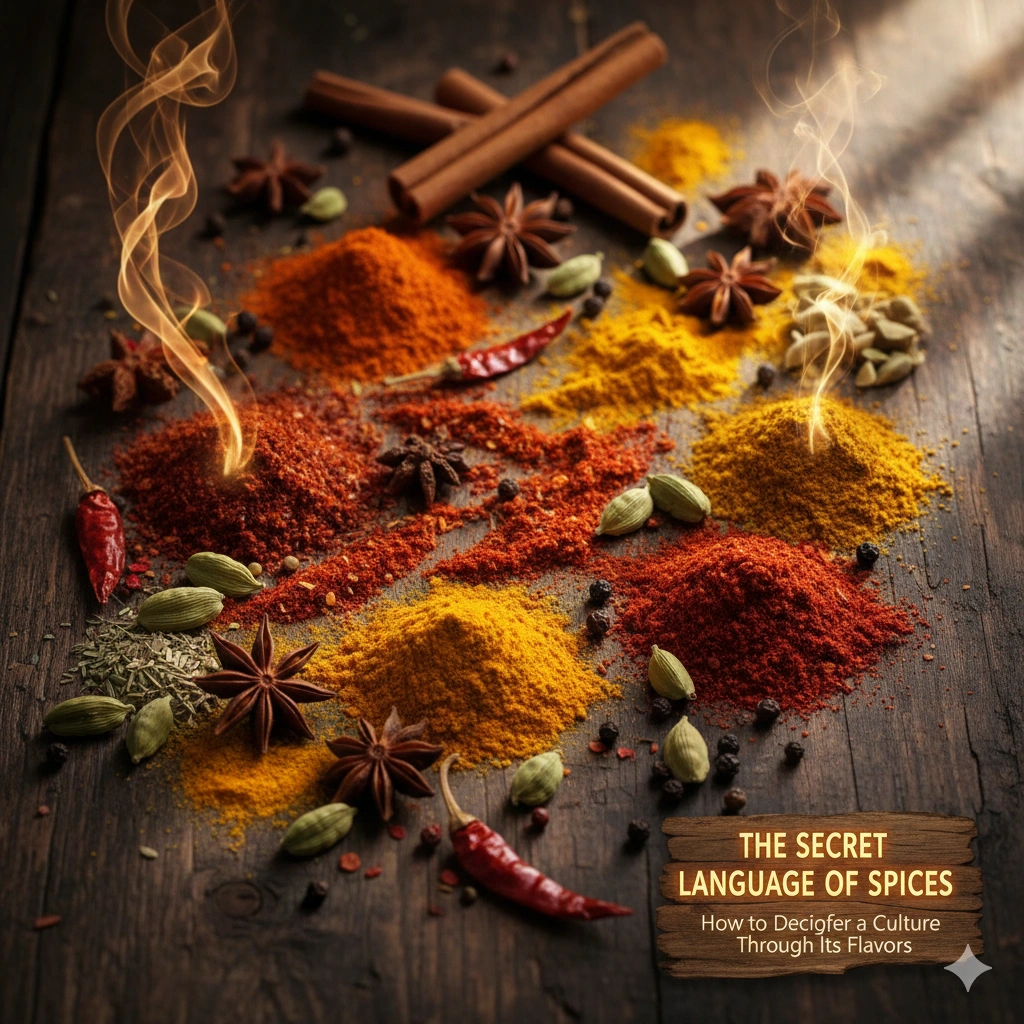
  •  The Secret Language of Spices

    Beyond the main ingredients, it’s the subtle dance of spices that truly distinguishes one cuisine from another. From the fiery chilies of Southeast Asia to the warming cinnamon of the Middle East, spices are not just flavor enhancers; they are storytellers, chronicling ancient trade routes, colonial legacies, and centuries of culinary innovation.

    The Spice Route’s Lingering Echoes

    Long before global communications, spices were the world’s first true global commodity, driving exploration and shaping empires. Their presence in a dish often reveals layers of history, reflecting journeys across continents and oceans.

    Three Ways Spices Unlock Cultural Understanding:

    1. Defining Regional Identity:
      • Think of Italian food and oregano comes to mind. Indian food, and cumin and coriander dominate. These signature spice blends are not arbitrary; they reflect the agricultural bounty, historical influences, and even the climate of a region. Learning these core flavors is like learning the alphabet of a cuisine.
    2. The Art of Balance (The “Masala” Concept):
      • In many cultures, especially in South Asia, spices are not used in isolation but in intricate combinations to create a harmonious “masala” or blend. This concept of balance and complexity is often mirrored in the culture itself—a recognition that true richness comes from diverse elements working together.
    3. Spices as Medicine and Ritual:
      • Many spices prized for their flavor were historically (and still are) revered for their medicinal properties. Turmeric’s anti-inflammatory power, ginger’s digestive aid, or saffron’s mood-boosting qualities all contribute to a holistic understanding of how food and well-being are intertwined in various cultures. Spices also play significant roles in religious ceremonies and cultural festivals, weaving them deeply into the fabric of life.

    Bringing the Flavors Home

    The beauty of understanding the “secret language” of spices is that you can recreate these authentic tastes in your own kitchen. A small bag of a unique spice from a local market is often the most potent souvenir, capable of transporting you back to your travels with a single aroma.

    What’s Coming Next…

    In our next installment, we’ll explore “From Farm to Feast: Culinary Experiences,” looking at cooking classes, vineyard tours, and other hands-on opportunities to deepen your appreciation for local food traditions.

    Leave a Reply

    Your email address will not be published. Required fields are marked *

    2 mins