
For the modern professional, the commute is often the most significant “biological leak” in their daily routine. Public transit, ride-shares, and high-traffic transit hubs are dense, heterogeneous biomes where thousands of individual microbiomes intersect in enclosed spaces. In these environments, you are exposed to a high velocity of pathogens, from seasonal respiratory viruses to environmental bacteria.
Mastering “Travel Hygiene” is about maintaining a portable sanctuary. It requires a strategy of selective barrier protection and rapid sanitization to ensure that your transit time doesn’t compromise your home or office biome. Here are the ten pillars for the urban traveler.
1. The “First-Touch” Sanitization Rule
Pathogens on transit surfaces (poles, handles, buttons) can remain viable for hours. The moment you transition from a “public” surface to a “personal” one, you must interrupt the transmission chain.
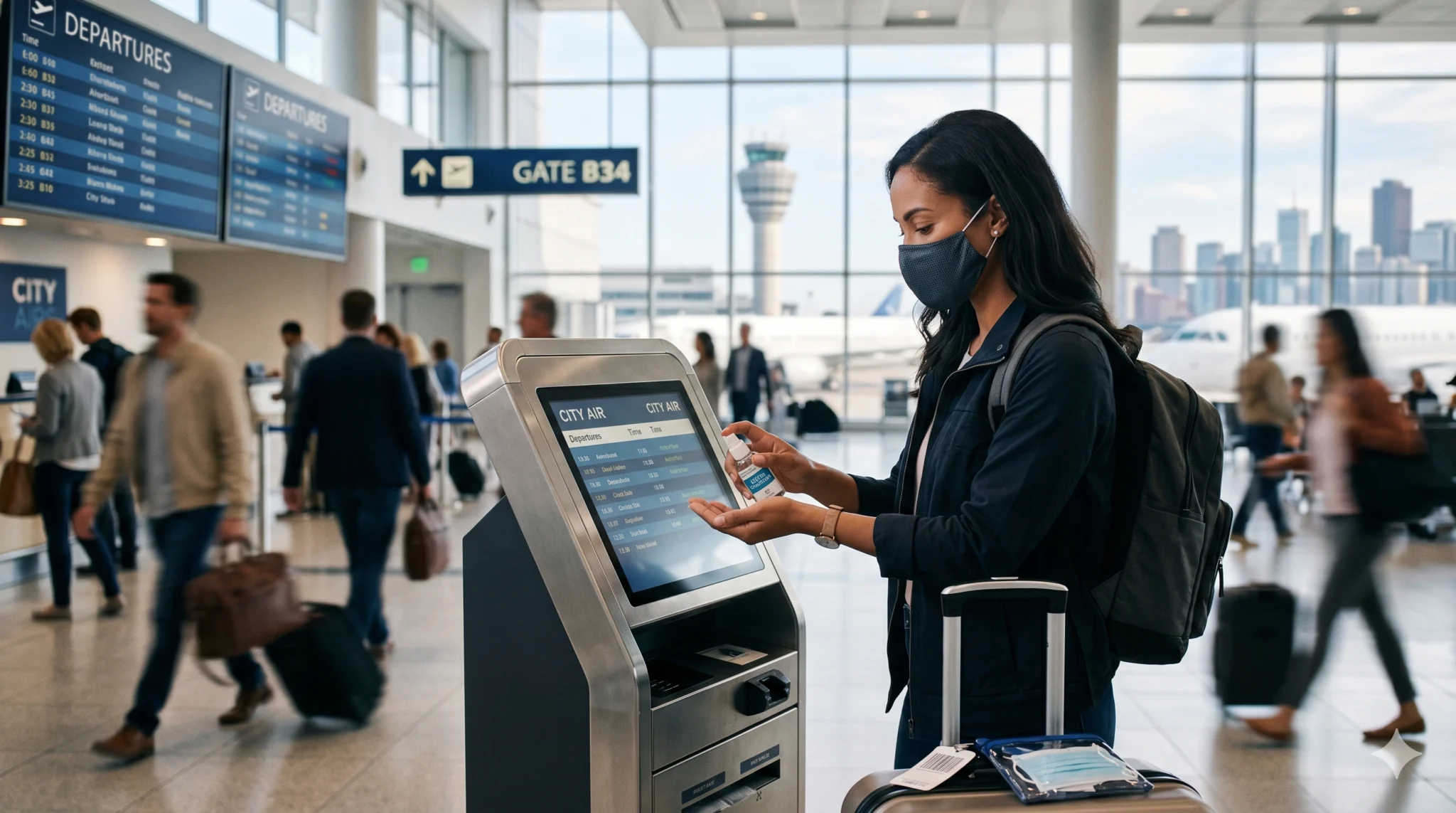
- The Protocol: Carry a high-quality 70% alcohol-based hand sanitizer. Apply it immediately after exiting a vehicle or touching a ticket kiosk—before you touch your phone, bag, or face.
2. Digital Device Sequestration
Your smartphone is a “microbial sponge” that travels with you. If you use it while holding a subway pole, you are effectively transferring the subway’s biome to your screen.
- The Strategy: Minimize phone use in high-density transit zones. If you must use it, perform a “Digital Detox” wipe-down with an electronic-safe disinfectant as soon as you reach your destination.
3. The Respiratory Barrier: Masking as an Asset
In enclosed, poorly ventilated spaces (trains, buses, elevators), respiratory aerosols can stay suspended in the air for significant periods.
- The Tech: Utilize a well-fitted FFP2 or N95 respirator during peak travel times. Unlike standard cloth masks, these provide a high-efficiency particulate barrier that protects you from inhaling the exhaled breath of others in close proximity.
4. Personal Space Engineering
Whenever possible, create a physical buffer between yourself and others to reduce exposure to direct respiratory droplets.
- The Positioning: On platforms or in waiting areas, stand near ventilation inlets or open-air sections. Inside vehicles, avoid standing directly in front of others; a 90-degree orientation can reduce the direct “breathing zone” overlap.
5. The Outerwear “Transition” Layer
Your clothing acts as a large-scale filter for the urban environment.
- The Boundary: Designate specific “commuter jackets” or overcoats. When you arrive home, remove these layers at the entryway (the “Bio-Lock” protocol) and never place them on furniture or beds. This prevents outdoor pollutants and dander from entering your clean zones.
6. Ride-Share Ventilation Protocol
Ride-shares are small-volume environments where the air can become quickly saturated with a previous passenger’s aerosols.
- The Action: Upon entering, crack the windows (diagonal corners) to encourage immediate air exchange. This “flushes” the cabin air and significantly reduces the concentration of any airborne pathogens.
7. Managing the “Bag-to-Surface” Contamination
We often place our bags on transit floors or seats, then bring them into our homes and place them on counters or desks.
- The Rule: Never place your bag on the floor in public transit. If you must, treat the bottom of the bag as “clinically contaminated.” Clean it with a disinfectant wipe before it enters your home sanctuary.
8. Eye Protection: The Overlooked Gateway
Pathogens can enter the body through the conjunctiva (the lining of the eyes).
- The Barrier: Wearing glasses (even non-prescription blue-light blockers) provides a physical shield against direct droplets from a nearby cough or sneeze and serves as a psychological reminder not to touch your eyes with unsanitized hands.
9. Hydration Hygiene
Drinking water in public transit hubs involves significant hand-to-mouth risk.
- The Protocol: Use a water bottle with a covered mouthpiece or a “shroud” over the straw. This ensures the surface you drink from hasn’t been exposed to the ambient aerosol load of a crowded station.
10. The Post-Commute “Reset”
The commute ends only when you have physically cleared the urban biome from your person.
- The Ritual: Upon reaching your final destination (home or office), the first action is a surgical-grade hand wash. If the commute was particularly dense or long, a change of clothes and a face wash provide the final layer of biological security.
Conclusion: Mobility Without Vulnerability
Urban transit is a necessity, but biological exposure is a variable you can control. By implementing these ten pillars of traveler hygiene, you ensure that your movement through the city is protected by a clinical shield. You remain a high-performance individual, capable of navigating any environment without sacrificing your health.